Quick Answer
Taş Tepeler, meaning “Stone Hills,” refers to a network of Pre-Pottery Neolithic archaeological sites in Şanlıurfa, southeastern Turkey, dating to 10,000–8,000 BCE. The most famous is Göbekli Tepe, but Karahan Tepe, Aşıklı Höyük, and a dozen other sites form a regional tradition of monumental stone architecture built by hunter-gatherers. A complete Taş Tepeler tour combines the Şanlıurfa Archaeological Museum (essential context), Göbekli Tepe, and Karahan Tepe in a single day, or spreads them across a longer itinerary within a broader southeastern Turkey journey.
What Is a Taş Tepeler Tour?
Taş Tepeler — Turkish for ‘Stone Hills’ — is the collective name for a network of Pre-Pottery Neolithic archaeological sites in the Şanlıurfa region of southeastern Turkey. These sites, including the world-famous Göbekli Tepe and the recently excavated Karahan Tepe, date to approximately 10,000–8,000 BCE and represent the earliest known monumental architecture built by human hands.
A Taş Tepeler tour is the most comprehensive way to experience this archaeological landscape. Rather than visiting Göbekli Tepe in isolation, a proper Taş Tepeler itinerary places the site within its wider context: the sister site of Karahan Tepe, the extraordinary Şanlıurfa Archaeology Museum, and the living culture of southeastern Turkey.
I have been building Taş Tepeler itineraries for over a decade — long before the name existed. Here is what a thoughtfully designed tour looks like.
The Full-Day Taş Tepeler Itinerary
Our signature Taş Tepeler day tour departs from Şanlıurfa and covers three essential stops:
Morning: Şanlıurfa Archaeology Museum
Every Taş Tepeler tour should begin here. The museum houses the Urfa Man — the oldest known life-size human sculpture, carved approximately 11,000 years ago — alongside finds from both Göbekli Tepe and Karahan Tepe. The ground floor features a full-scale replica of Göbekli Tepe’s Enclosure D that visitors walk through. Seeing the replicas and artefacts first provides the visual vocabulary you need at the actual sites.
We spend approximately 90 minutes in the museum. This is not a quick walk-through — each gallery tells part of the story that the sites themselves complete.
Mid-Morning: Göbekli Tepe
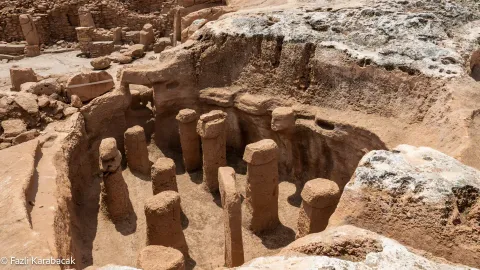
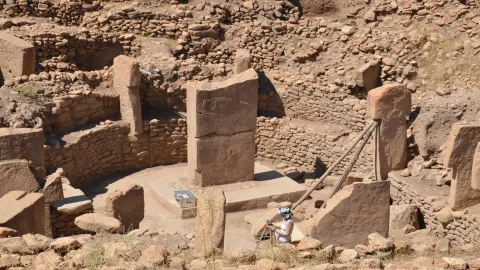
A 12-kilometre drive northeast of Şanlıurfa brings you to the hilltop where Göbekli Tepe sits. The modern visitor centre and covered walkways allow you to view four excavated enclosures from above: massive T-shaped pillars arranged in circles, carved with detailed animal reliefs — foxes, boars, lions, snakes, scorpions. The pillars weigh up to 16 tonnes and were erected by people who had not yet invented farming.
As a guide, this is where context matters most. The walkways give you the view, but the guide gives you the story: why the pillars face each other like human figures, what the animal carvings might signify, how the enclosures were deliberately buried, and why only five percent of the site has been excavated.
We typically spend 60–90 minutes at Göbekli Tepe.
Lunch: Traditional Southeastern Turkish Cuisine
The midday break is in or near Şanlıurfa’s historic old city. Southeastern Turkey is one of the country’s finest culinary regions. The local specialities — çiğ köfte, Urfa kebab, lahmacun, and dishes seasoned with the region’s famous isot pepper — are an integral part of the day, not an afterthought.
Afternoon: Karahan Tepe
The drive from Göbekli Tepe to Karahan Tepe takes approximately 45 minutes through the rolling steppe of the Tektek Mountains. Karahan Tepe was surveyed in 1997 but serious excavation only began in 2019, led by Professor Necmi Karul.
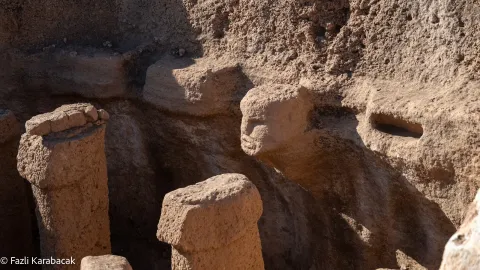
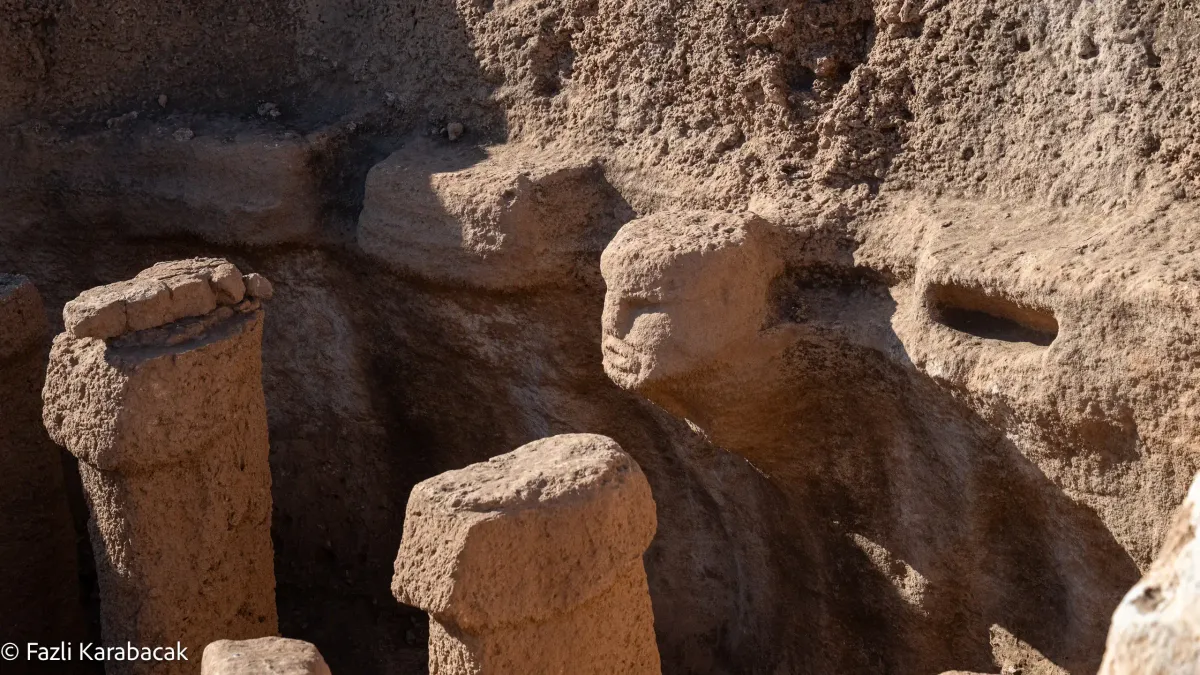
What makes Karahan Tepe extraordinary is Structure AB — a circular chamber where T-shaped pillars emerge directly from the bedrock, including naturalistically carved human heads and a striking arrangement of phallus-shaped pillars. The craftsmanship and artistic expression here arguably surpass Göbekli Tepe. The site is still being excavated, which means visitors are seeing archaeology in progress.
We spend 60–90 minutes at Karahan Tepe. The afternoon light at the site is particularly beautiful.
Late Afternoon: Optional Extensions
Depending on the group’s energy and interests, we offer two optional additions:
Balıklıgöl (Pool of Sacred Fish) — a tranquil complex of pools and gardens in the heart of old Şanlıurfa, associated with the prophet Abraham. A beautiful place to decompress after an intense day of archaeology.
Harran — the ancient city of mudbrick beehive houses, 44 km south of Şanlıurfa. Harran appears in the Bible as the place where Abraham lived before journeying to Canaan. The ruins include the world’s oldest Islamic university.
Multi-Day Options: Taş Tepeler in Context
For travellers who want the Taş Tepeler experience within a broader Turkey journey, we offer several itineraries:
Göbekli Tepe from Cappadocia (7 Days)
Begins in Cappadocia with fairy chimneys, underground cities, and the Göreme Open Air Museum. Continues east to Şanlıurfa for a full day at the Taş Tepeler sites. This is an itinerary for travellers combining Cappadocia with archaeology.
Best of Turkey (11 Days)
The classic Turkey grand circuit — Istanbul, Ephesus, Pamukkale, Cappadocia, and the Taş Tepeler sites. Ideal for first-time visitors who want both the famous highlights and the deeper archaeological layer.
Treasures of Ancient Turkey (14 Days)
Our most comprehensive archaeological tour. Nine UNESCO World Heritage Sites, including Göbekli Tepe and Karahan Tepe, Mount Nemrut, Ephesus, Troy, and more. Built for serious history enthusiasts.
Practical Information
Best Time to Visit
Spring (April–June) and autumn (September–November) offer comfortable temperatures for outdoor exploration. Summer (July–August) is very hot in southeastern Turkey, with temperatures regularly exceeding 40 degrees Celsius. Our Taş Tepeler tours operate from April through November.
What to Bring
Sturdy walking shoes with good grip — both sites involve uneven rocky ground. Sun protection is essential (hat, sunscreen, sunglasses) as there is minimal shade. Carry at least 1.5 litres of water per person. A light wind layer is useful for early morning visits.
Group Size
All our tours are strictly limited to a maximum of 8 travellers. This ensures you can hear every explanation, ask every question, and experience the sites without competing with larger groups. Private tours for two or more people are available year-round.
Getting to Şanlıurfa
Şanlıurfa GAP Airport (GNY) receives daily domestic flights from Istanbul (2 hours), Ankara (90 minutes), and Izmir. We arrange domestic flights and all transfers as part of every tour package.
Why a Guide Matters Here
Göbekli Tepe and Karahan Tepe are not like Ephesus or the Colosseum. There are no columns to admire, no mosaics to photograph, no obvious grandeur. What you see is stone pillars in trenches — and the entire significance of what you are looking at is invisible without context.
A knowledgeable guide transforms a visit from “interesting stones” into one of the most profound experiences in modern travel. When you understand that these pillars were erected 7,000 years before Stonehenge, by people who had not yet invented farming, and that what you are standing on is probably only five percent of what lies beneath — the scale of the discovery hits differently.
I have been guiding at these sites since before the roads were paved. Every season brings new revelations. The Taş Tepeler landscape is not a finished museum exhibit — it is a story still being written, and I consider it a privilege to help visitors read the latest chapter.
Enquire about our Taş Tepeler tours →
Frequently Asked Questions
What exactly is Taş Tepeler, and which sites are included? Taş Tepeler (Stone Hills) is a network of Pre-Pottery Neolithic sites in the Şanlıurfa region, most dating to 10,000–8,000 BCE. Göbekli Tepe and Karahan Tepe are the most excavated and visited. Other documented sites include Aşıklı Höyük, Çayönü, and Leverage (formerly Jerf el Ahmar), but access and excavation status varies. A Taş Tepeler tour typically focuses on Göbekli Tepe and Karahan Tepe.
How long is the drive from Göbekli Tepe to Karahan Tepe? Approximately 45 minutes through rolling steppe in the Tektek Mountains. The road is paved and direct. Both sites are easily reachable from Şanlıurfa, which serves as the regional hub.
Can I do both sites in one day without feeling rushed? Yes, if you structure it properly. Museum visit (90 minutes) + Göbekli Tepe (90 minutes) + lunch + Karahan Tepe (90 minutes) = a full but manageable day. You will not feel hurried if you prioritise depth over other activities.
What is the Şanlıurfa Archaeological Museum, and is it essential? Essential. The museum houses the Urfa Man (the oldest known life-size human sculpture, approximately 11,000 years old), original excavated pillars and finds from Göbekli Tepe and Karahan Tepe, and a full-scale replica of Göbekli Tepe’s Enclosure D. Visiting the museum first gives you the visual vocabulary and context you need at the sites themselves. Allow 90 minutes to 2 hours.
Are the sites accessible year-round? Göbekli Tepe is open most of the year, but access can be limited in winter snow. Karahan Tepe has more variable hours and seasonal closures. Spring (April–June) and autumn (September–November) are ideal. Summer is hot but accessible; winter may have access restrictions.
Do I need to book tours in advance, or can I visit independently? Göbekli Tepe can be visited independently with purchased tickets. Karahan Tepe typically requires booking through a local guide service, as the site is still actively excavated and access is controlled. A private guide (like Fazli’s) ensures expert interpretation and smooth logistics for both sites.