Quick Answer
Göbekli Tepe and Karahan Tepe, separated by thirty-five kilometres in southeastern Turkey near Şanlıurfa, represent a single Pre-Pottery Neolithic tradition dating to roughly 12,000 years ago. Both feature massive T-shaped pillars, animal carvings, and organised stone enclosures built by hunter-gatherers. Visiting both together completes the story that neither tells alone: Göbekli Tepe establishes that monumental architecture preceded farming; Karahan Tepe confirms it was not an isolated event but a sustained regional tradition. Combined with the Şanlıurfa Archaeological Museum, both sites fit into a single day or can anchor separate days within a longer tour.
Two Sites, One Story
Göbekli Tepe and Karahan Tepe sit about thirty-five kilometres apart in the low hills of southeastern Turkey, near Şanlıurfa. They were built by the same Pre-Pottery Neolithic culture, roughly twelve thousand years ago, and they share a building tradition — T-shaped pillars, animal carvings, concentric stone enclosures, communal effort on a scale that should not have been possible for hunter-gatherers. Seeing one without the other leaves the story incomplete.
I have been guiding visitors to Göbekli Tepe since the early 2000s and to Karahan Tepe since its excavation began in 2019. Both sites fit into a single day when structured properly, or they can anchor separate days within a longer southeastern Turkey itinerary.
Göbekli Tepe
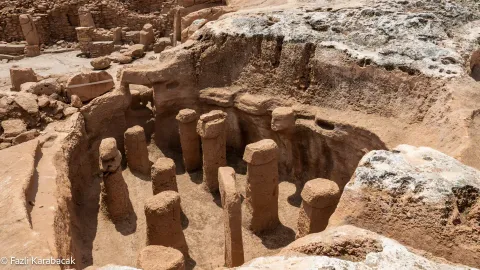
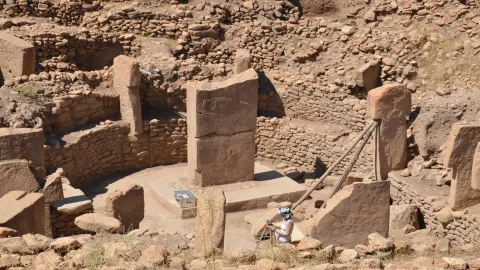
We begin at Göbekli Tepe because it provides the frame. The site now has a visitor centre, a large canopy, and elevated walkways over the main excavated enclosures. I walk groups through the chronology at the viewing platforms — where the oldest rings sit, how the later construction scaled back, why archaeologists believe the entire complex was intentionally buried around 8,000 BCE.
The scale of the pillars only registers in person. The tallest stand over five metres. The carvings — foxes, vultures, scorpions, cranes — cover the surfaces with a confidence that has nothing tentative about it. These are not the first attempts of a culture learning to carve. They are the work of people who had been doing it for a long time.
I give groups roughly ninety minutes at Göbekli Tepe. That is enough to see the main enclosures, walk the platform, and stand at Enclosure D, where the largest pillars face each other across the oldest excavated ring.
Karahan Tepe
After Göbekli Tepe, we drive southeast to Karahan Tepe. The road passes through flat agricultural land — the kind of terrain that was once wild grassland full of the game species carved on the pillars we just left behind.
Karahan Tepe is a different experience. The visitor infrastructure is simpler, the site quieter, and the sense of ongoing discovery is stronger. Excavation is still active, and new structures emerge each season. In 2023, the Ministry of Culture and Tourism reported a 2.3-metre seated human statue fixed within a bench. Our Karahan Tepe statue article explains the discovery and dating limits; it should not be described as a confirmed world’s oldest human figure. Confirm the original statue’s current display location before visiting.
The site covers roughly ten hectares when quarry areas are included. What has been excavated so far shows enough variety to confirm that Karahan Tepe was not simply an outpost of its more famous neighbour. It had its own identity.
Why Both Sites Together
There is a practical reason and a deeper one. The practical reason is geography — they are close enough that both fit into a single day with time and attention for each. The deeper reason is context. Göbekli Tepe established that hunter-gatherers built monumental architecture before agriculture. Karahan Tepe confirms it was not an isolated event. This was a regional tradition, sustained across generations, spread across dozens of kilometres of hilltop terrain.
When you stand at the second site having already absorbed the first, the questions shift. It is no longer about whether this was possible. It is about how many more sites are still buried under the hills of southeastern Turkey, waiting for a future season’s trench.
Practical Notes
Both sites are accessible from Şanlıurfa, which serves as the regional base. I run these visits as part of longer guided tours through southeastern and eastern Turkey, with groups kept to a maximum of eight people. The Şanlıurfa Archaeology Museum — which holds the world’s richest Pre-Pottery Neolithic collection — is an essential companion to both sites and is included in every itinerary I plan.
For deeper background before you travel, gobekli-tepe.com covers the site’s history, structures, and visitor logistics in detail. karahan-tepe.com does the same for its sister site, including the latest excavation news.
Our Göbekli Tepe visitor guide and Karahan Tepe visitor guide provide planning context within this site. For a longer itinerary including both, see the 14-day Treasures of Ancient Turkey tour and confirm the published programme and access arrangements before booking.
Frequently Asked Questions
Why are both sites so close together? Thirty-five kilometres is not particularly close in modern terms, but in Pre-Pottery Neolithic geography, it is the same region. The two sites may have served complementary functions or belonged to overlapping seasonal gathering routes. The proximity suggests a shared culture and possibly exchange of ideas, labour, or people.
Are the T-shaped pillars at Karahan Tepe identical to those at Göbekli Tepe? Similar, but not identical. Both sites use T-shaped pillars and animal imagery, while particular buildings and sculptures differ. Karahan Tepe’s seated statue adds to the regional evidence for human representation; it does not establish that human imagery was absent at Göbekli Tepe.
What is the difference in visitor experience at the two sites? Göbekli Tepe has a formal visitor centre, elevated walkways, and protective canopy — more developed infrastructure. Karahan Tepe is rougher, less visited, more obviously an active excavation. At Göbekli Tepe you see what archaeologists have carefully exposed; at Karahan Tepe you feel closer to discovery. Both experiences are valuable and distinct.
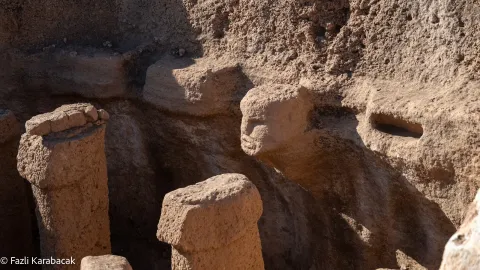
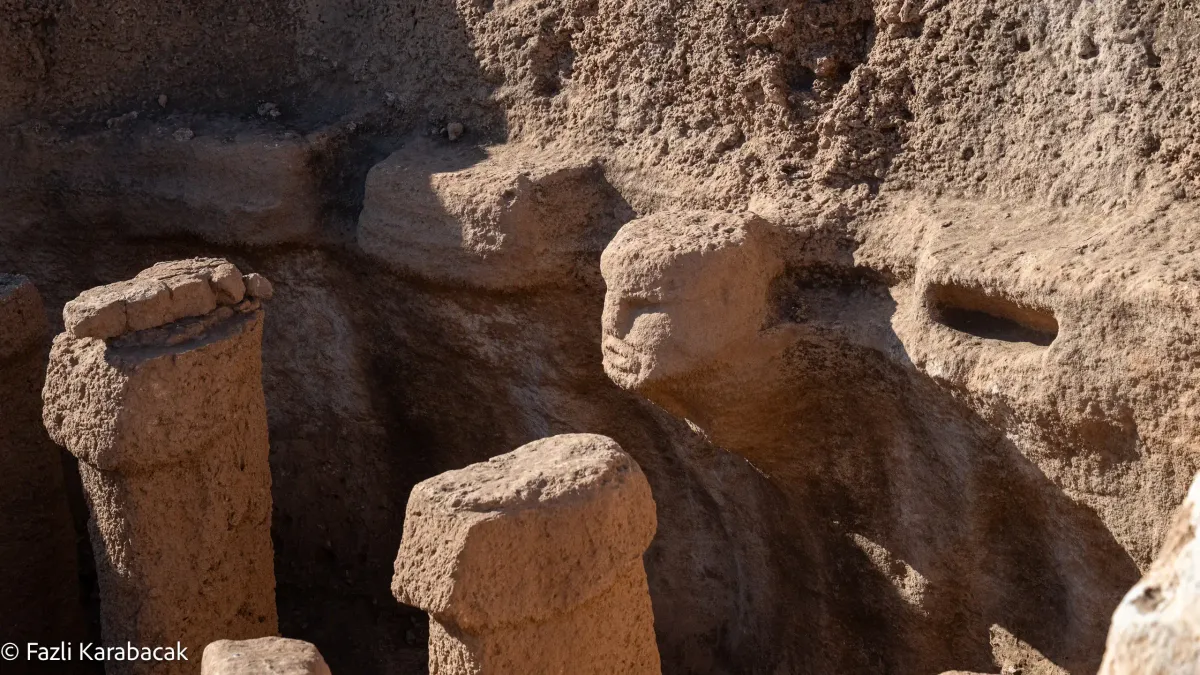
How much of Karahan Tepe is visible to visitors? Less than at Göbekli Tepe. Only the most relevant structures are highlighted for visitors. The excavation is ongoing, so new areas emerge each season. Access is sometimes restricted to protect active dig zones. But what is visible — the pillars, the stone structures, the human faces carved from bedrock — is enough to understand the site’s importance.
Can I visit just one site and understand the story? Göbekli Tepe stands on its own and is sufficient for a meaningful visit. But Karahan Tepe adds crucial context. At Göbekli Tepe, you see what is possible. At Karahan Tepe, you see that it happened more than once. Together they tell a story of sustained cultural tradition; separately, they tell only part of it.
What is the best combination — one long day or two separate days? One day works logistically: museum (90 minutes) + Göbekli Tepe (90 minutes) + lunch + Karahan Tepe (90 minutes). You will not feel rushed if pacing is intentional. Two separate days allows slower contemplation at each site and more time for the landscape in between. Choose based on your visit length and energy level.