Quick Answer
Three focused days in Istanbul work better than a scattered week. The city rewards district-by-district exploration: Day 1 is Sultanahmet (Topkapı Palace, Hagia Sophia, Blue Mosque, Basilica Cistern). Day 2 covers museums and bazaars (Archaeological Museum, Turkish and Islamic Arts Museum, Grand Bazaar). Day 3 includes a Bosphorus cruise and modern neighbourhoods (Galata, Taksim, Spice Bazaar). This structure minimises transit time, allows each area to build its own logic, and prevents the exhaustion that comes from chasing random attractions across the city.
How I Structure Three Days in Istanbul
Istanbul can absorb a week and still leave things unseen, but a focused three-day plan works well for a first visit. I organise each day by district rather than by a scattered list of highlights. This reduces transit time and allows each neighbourhood to build its own logic — the Ottoman and Byzantine layers of the old city on one day, the museums and covered markets on the next, then the water and the modern city on the third.
Bring comfortable shoes. The old city is built on hills and the interiors of the mosques and palaces involve a good amount of walking on stone and marble.
Day 1 — The Historical Peninsula
- Topkapı Palace and Harem
- Basilica Cistern
- Hagia Sophia
- Blue Mosque and Hippodrome
Sultanahmet is the historical core and the strongest place to start. The major monuments are walkable from each other, so the district rewards slow exploration rather than rushing.
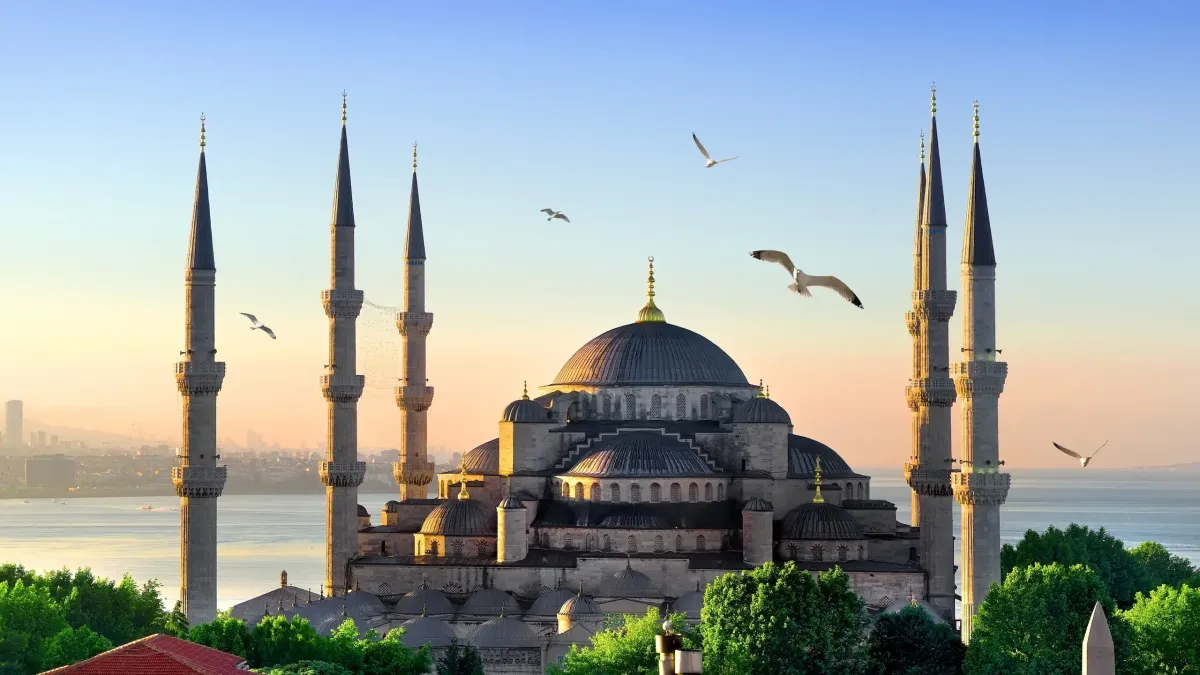
Topkapı Palace introduces the Ottoman imperial setting — courtyards, treasury collections, and wide views toward the Bosphorus and the Golden Horn. Hagia Sophia presents a long architectural story: Byzantine cathedral, Ottoman mosque, modern monument. The Blue Mosque, directly across the square, is known for its Iznik tile interior and the spatial calm of its central dome. The Basilica Cistern adds a different register to the same district — an underground water structure supported by hundreds of reused columns, lit from below.
Day 2 — Museums and Covered Markets
- Istanbul Archaeological Museum
- Turkish and Islamic Arts Museum
- Great Palace Mosaic Museum
- Grand Bazaar
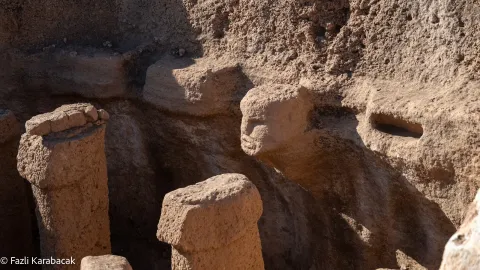
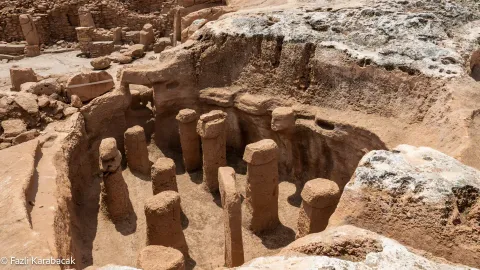
The Archaeological Museum complex is one of the most useful stops for anyone continuing to other ancient sites in Turkey. The Anatolian and Near Eastern collections put later visits — Ephesus, Troy, Göbekli Tepe — into material context.
The Turkish and Islamic Arts Museum adds further depth through ceramics, manuscripts, textiles, and decorative arts. The Great Palace Mosaic Museum, often overlooked, preserves a section of the Byzantine imperial palace floor.
The Grand Bazaar and the Spice Bazaar represent two different market traditions with different histories and rhythms. Both are worth entering, but the Grand Bazaar is the one that takes time — sixty-five streets, over three thousand shops, and a covered structure that has been rebuilt after fires, earthquakes, and centuries of continuous trade.
Day 3 — Bosphorus and Modern Istanbul
- Bosphorus cruise
- Galata Tower area
- Taksim Square
- Spice Bazaar
A Bosphorus cruise is not only scenic — it is the most effective way to understand Istanbul’s geography. The city makes more sense from the water. Pairing this with a walk through Galata and up to Taksim gives a balanced view of modern Istanbul alongside the historical layers of the first two days.
If the itinerary is tight, I suggest one cruise segment and one neighbourhood walk rather than trying to cover everything. Istanbul punishes rushed schedules more than most cities.
For itinerary support, see our Istanbul destination guide.
Frequently Asked Questions
Is three days really enough for Istanbul? Three focused days work for a first visit, hitting the major monuments and getting a feel for the city. Five days allow slower exploration of neighbourhoods like Balat (bohemian cafes, antique shops) or Eyüp (the Golden Horn perspective and Pierre Loti viewpoint). A week allows multiple museum visits, longer bazaar time, and day trips. But quality beats quantity — three days of structured exploration beats a scattered week.
Should I buy an Istanbul Card for transportation? Yes. The Istanbulkart is the local transit card and works on trams, buses, metro, and ferries. Buy at Sabiha Gökçen or Atatürk Airport or in any corner shop. It is cheaper than buying individual tickets and faster than queueing. A single ferry ride across the Bosphorus costs roughly 3 lira with the card.
What is the best time to visit Topkapı Palace? Early morning (doors open at 9 AM) and mid-week (Tuesday–Thursday) are quietest. Avoid midday and weekends when tour groups flood the grounds. The palace covers a large area, so three hours minimum allows you to see the courts, the Harem, and the Treasury. Self-guided is fine, but a guide explains the Ottoman protocols and hidden rooms.
Can I see the Süleyman the Magnificent Mosque on a day itinerary? Yes, it sits across the Golden Horn from the old city and is worth a separate visit from Sultanahmet. It is less visited than the Blue Mosque, has a more serene atmosphere, and the interior is spacious. Add it to a morning or afternoon if you have flexibility.
How many hours should I spend in the Grand Bazaar? An hour is a rushed walk-through. Two to three hours allows you to get deliberately lost, wander side streets, and browse sections that interest you (textiles, carpets, silver). The bazaar rewards slow exploration. If you hate crowds and chaos, 45 minutes to an hour gives you the essence and lets you escape.
Are there neighbourhood walks worth doing beyond Sultanahmet? Yes. Beyoğlu (around Taksim) is modern Istanbul with bookshops, galleries, and cafes. Balat is bohemian and atmospheric. Eyüp (north of the Golden Horn) offers a viewpoint from Pierre Loti Café with an entirely different perspective of the city. These are worth adding to Day 3 if your Bosphorus cruise time allows.